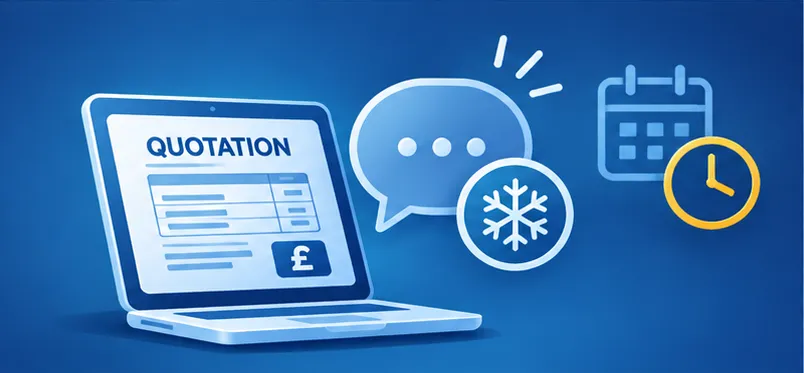
7 Reasons Your Business Gets Enquiries but Not Enough Sales
Sales, Marketing, Retail Growth
7 Reasons Your Business Gets Enquiries But Not Enough Sales
Busy does not necessarily mean successful
Your phone rings, your website generates messages, and people come through the shop door. On paper, marketing seems to be working. Yet the sales figures tell a different story. This is especially frustrating for an owner who can see the activity but not where the revenue has gone.
.
Follow the Enquiry, Not Just the Marketing Spend
Imagine a customer visiting your showroom, asking a few questions, then heading home to think. Or a local service business sending a quotation after a friendly first call. In both cases, the real opportunity begins after that first contact, not before it. Yet in many businesses, that moment is where potential sales quietly disappear into a busy week of other priorities.
That is why following up on enquiries matters. Missed calls, unanswered emails, forgotten quotations and vague “we'll be in touch" promises are the holes in your bucket. You can double your marketing spend, but if no one owns the next step with each enquiry, much of that investment evaporates. A simple, timely follow-up call, email, or short message often makes the difference between a lost lead and a loyal customer.
💡 Pro Tip: Treat every enquiry as the start of a relationship, not a one-off event. Make sure someone is clearly responsible for what happens next.
Measure What's Really Happening to Your Enquiries
Before you decide you “need more leads”, check how well you are using the ones you already have. Start with four simple numbers. They will give you a clear picture of your current performance and where the leaks might be:
Genuine enquiries received – people who have actually contacted you or taken a clear step towards buying.
Enquiries contacted – those you have successfully replied to or spoken with.
Quotations or proposals issued – where you have clearly set out price and next steps.
Sales won – the enquiries that became paying customers.
From these, you can begin measuring conversion rates. If 200 enquiries lead to 40 sales, your overall conversion rate is 20%. Improving that to 21% is just one extra sale in every hundred enquiries – but over time it adds up. At an illustrative average sale of £500, that 1% improvement could mean an extra £1,000 a month in revenue before costs. This is an example, not a promise, but it shows how small conversion changes can outperform large increases in marketing spend.
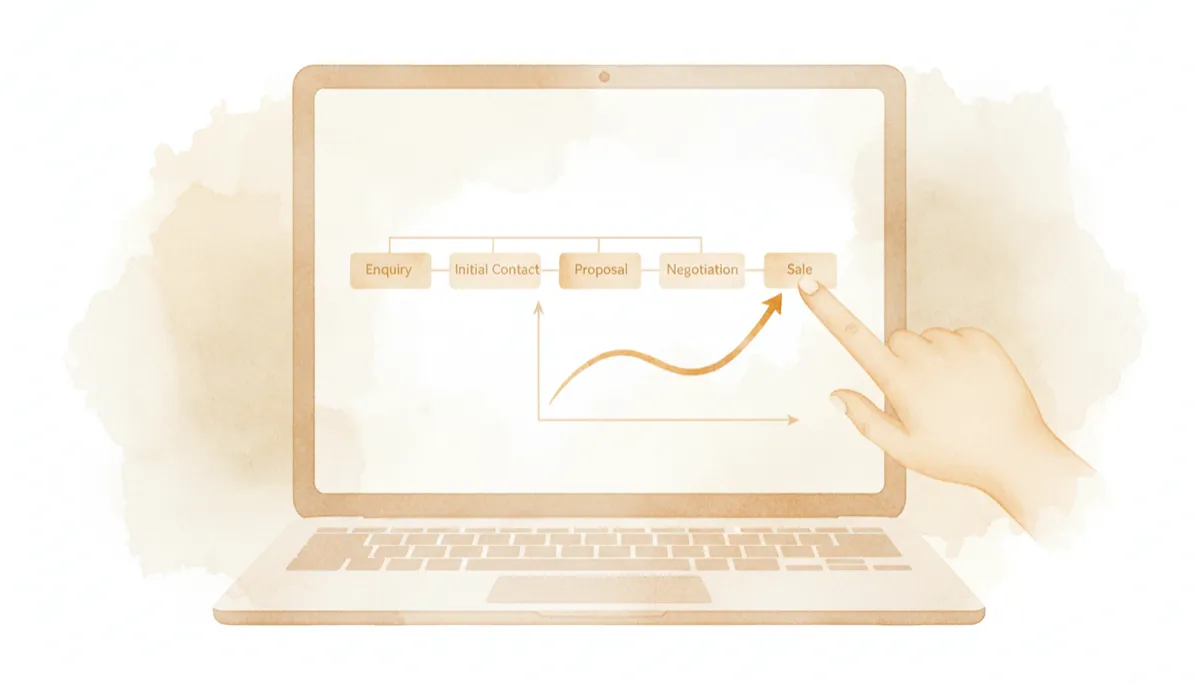
Even a 1% lift in conversion can beat a big jump in ad spend.
Build the Process Before You Automate Anything
Many businesses rush to solve enquiry problems with software. A shiny new CRM system or marketing automation platform can look like the answer. But building processes before automation is far more effective. Technology only amplifies what you already do; if your process is unclear, automation will simply help you make the same mistakes faster and more consistently.
Start by agreeing the basics with your team:
Who answers each type of enquiry and during which hours.
How quickly you aim to respond, for example, within two working hours.
When and how you follow up after sending a quotation or proposal.
Where you record what happened, so the whole team can see the status.
A simple CRM or shared system can then make this process visible and reliable. Automation can help by acknowledging an enquiry, creating a task, or reminding someone to call. But its role is to support a good human conversation, not replace it. People still buy from people, especially in independent retail and local services.
One Action This Week: Review Your Last Ten Enquiries
If you want a practical starting point, review your last ten enquiries. Take a sheet of paper or a simple spreadsheet and list them out. For each one, ask:
How did they first contact us, and who handled it?
Did we respond promptly, and how?
Did we send a quotation or proposal, and how clearly did we explain next steps?
Did we follow up? If so, when and how? If not, why not?
Do we know the final outcome: sale won, delayed, or lost?
A revealing question is this: can you say what happened to every single one? If the answer is no, that is your opportunity. In many of the businesses I work with, the fastest gains come not from doing more marketing, but from making the existing journey work better, tightening response times, clarifying ownership and improving follow-up.
Ready to Take the Next Step?
Before you approve the next marketing campaign, pause and look at the path from enquiry to sale. Are you confident that every genuine enquiry is contacted, quoted clearly and followed up consistently? Or are there quiet leaks in the system that extra advertising will only make more expensive?
At MG Retail Consulting, I help independent retailers and growing businesses find the gaps in their sales and marketing, improve the processes behind them and put practical systems in place. If you want a clearer view of where opportunities are being lost, we can explore a Business Growth Review or a suitable retail-focused assessment tailored to your situation.
You can also dive deeper into strengthening your systems by reading this related article: Optimise Systems for Revenue Growth and Long-Term Success.
Mike Glynn | Founder, MG Retail Consulting
