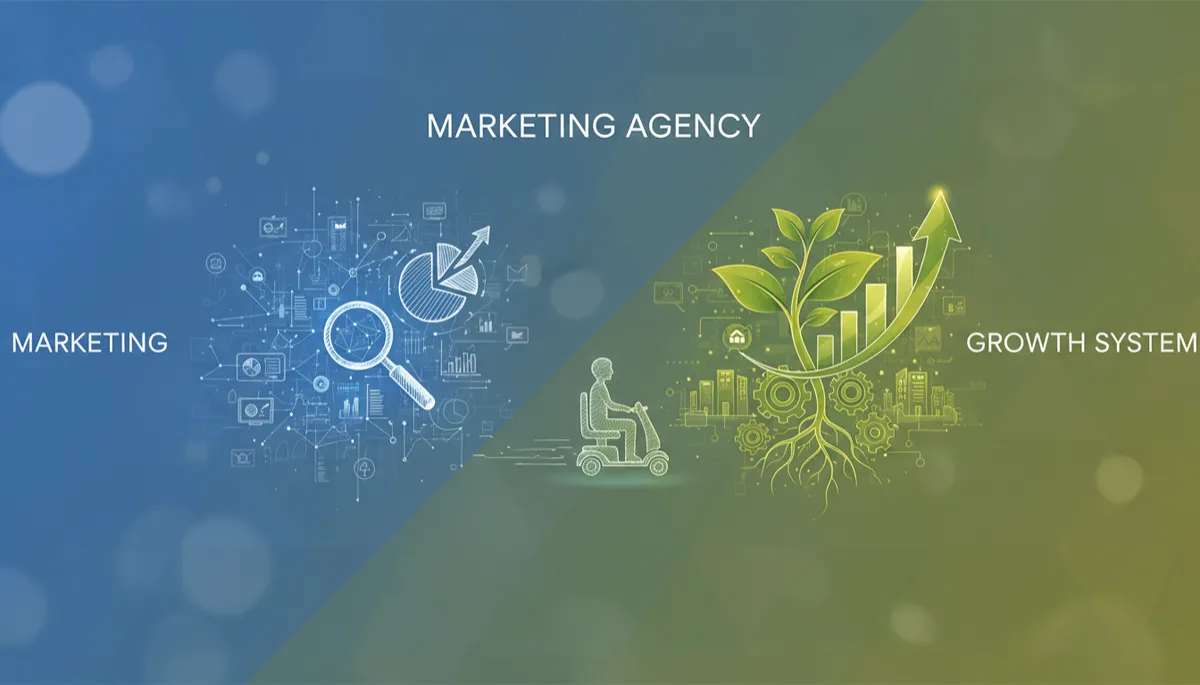
Marketing vs Growth System for Mobility
Marketing, Local Business, Mobility Retail
Marketing Agency vs Growth System: Which Is Better for a Mobility Retailer?
If you run a local mobility retail business and sell scooters, wheelchairs, stairlifts, or other accessibility products, you've probably been told you "just need more marketing." But should you hire a traditional marketing agency, or invest in a growth system designed specifically to bring in more local customers and repeat sales? This article breaks down both options so you can decide what best fits your store, budget, and goals.
What a Traditional Marketing Agency Actually Does
A traditional marketing agency usually focuses on campaigns and creative services. They help you look good and get your name in front of more people. Typical services include:
Designing logos, brochures, and in‑store signage for your mobility products
Running Google or Facebook ads to drive traffic to your website or store
Managing social media posts to keep your brand visible in the community
Creating seasonal campaigns, like "Winter Safety Mobility Checks" or "Spring Independence Sale"
For a local mobility retailer, this can absolutely help with brand awareness. More people in your area see your name, recognise your logo, and know you exist. But awareness doesn't always translate into predictable sales, especially for higher‑ticket items like stairlifts, powerchairs, or vehicle adaptations that involve long consideration periods and family decisions.
📌 Key Takeaway: Agencies focus on visibility and creative campaigns; they rarely manage the full journey from first click to booked assessment or in‑store appointment.
What a Growth System Means for a Mobility Retailer
A growth system is less about one‑off marketing campaigns and more about building a repeatable machine that turns local interest into booked visits, assessments, and long‑term customers. Instead of asking, "How do we run more ads?" a growth system asks, "How do we consistently attract, capture, and convert local buyers at a profit?"
In practice, a mobility‑focused growth system usually combines:
Local lead generation: targeted search ads and local SEO so people find you when they search "mobility scooter near me" or "stairlift installation [your town]"
Lead capture and follow‑up: online forms, call tracking, and automated texts or emails that follow up with enquiries until they book a visit or showroom appointment
Reputation and referrals: systems to request Google reviews, showcase testimonials, and encourage referrals from happy customers and local professionals (OTs, clinics, care homes)
Retention and reactivation: keeping in touch with past buyers about servicing, upgrades, accessories, and new solutions as their needs change
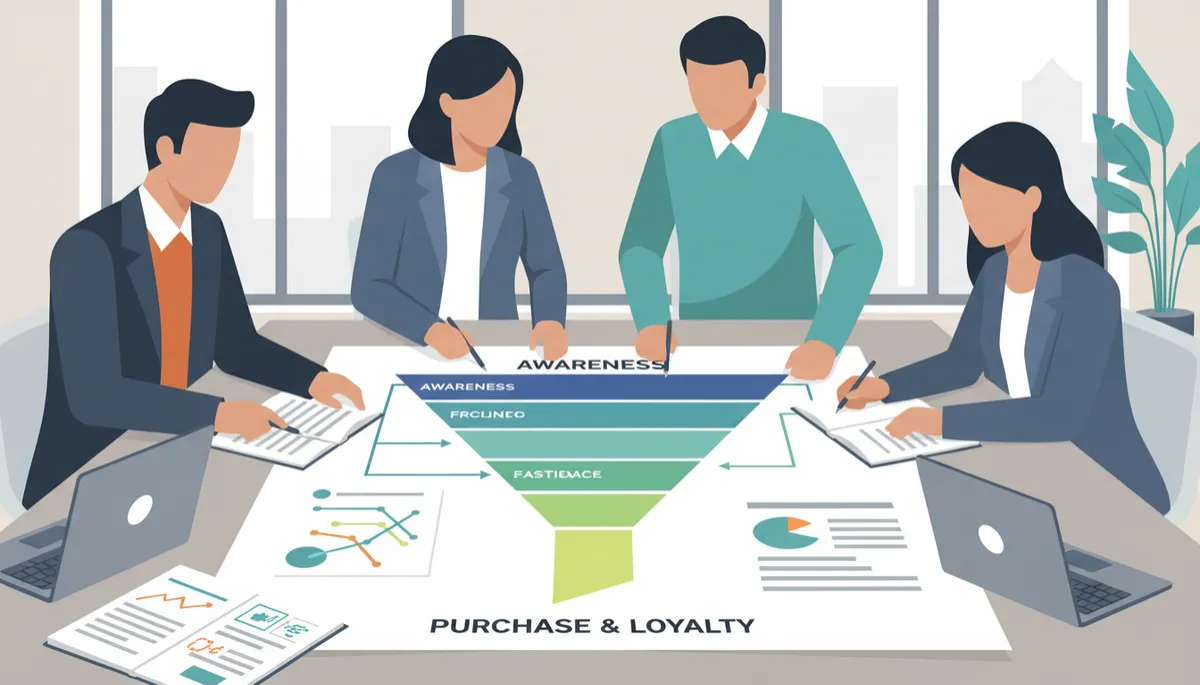
Mapping the full customer journey helps turn one‑time buyers into loyal advocates.
Key Differences: Agency vs Growth System for Local Mobility Businesses
When you compare a marketing agency with a growth system, you're really comparing services versus structure. Here's how that plays out for a mobility retailer serving a local area.
1. Focus: Impressions vs Appointments
Agencies often report on impressions, clicks, and likes. Those metrics matter, but they don't pay your rent. A growth system is built around appointments, assessments, and sales value—the things that actually grow your store.
2. Timeframe: Campaigns vs Compounding Results
A campaign might run for a month and then stop. A growth system is designed to improve over time. As you collect data—what keywords convert, which offers resonate, which follow‑up messages get replies—the system gets sharper and more efficient, month after month.
3. Ownership: Outsourced vs Built Into Your Business
With a traditional agency, much of the knowledge and process lives outside your business. If you switch agencies, you often have to start over. A well‑designed growth system is something your team can own and run—even if a partner helps you set it up. Your data, processes, and customer list stay with you.
💡 Insight: Ask any partner, "If we stopped working together in 12 months, what systems, data, and processes would remain in my business?" The more that stays, the more you are building a true growth engine.
Why Mobility Retailers Have Unique Marketing Challenges
Mobility retail is not like selling shoes or coffee. Your customers are often older adults, people recovering from injury, or family members trying to help loved ones stay independent at home. This creates a few specific challenges that a generic marketing agency may not fully understand:
Longer decision cycles: Buying a stairlift or powerchair is a major decision involving budget, safety, and home adaptations, not an impulse purchase from a Facebook ad.
Multiple decision‑makers: The end user, their children, carers, and sometimes healthcare professionals all influence the choice.
Trust and reassurance: People need to feel safe, heard, and supported, not “sold to.” Reviews, case studies, and clear aftercare matter as much as price.
A growth system for mobility retailers accounts for these realities. It doesn't just push promotions; it nurtures relationships over weeks or months, so when the customer is ready, you are the obvious choice in their local area.
Targeting Local Customers: Where Each Option Shines
When a Marketing Agency Can Work Well
If your main goal is to refresh your brand, launch a new store, or run a short‑term promotion, like a grand opening or clearance event, a good agency can help. They can quickly:
Design professional signage and adverts that make your store look trustworthy and modern
Run local awareness campaigns across social media and print to spread the word fast
This can be a strong start, especially if your current marketing is non‑existent or outdated. But on its own, it rarely builds a predictable pipeline of enquiries and appointments.
Where a Growth System Outperforms for Local Mobility Retail
For most established mobility retailers, the real challenge isn't "Do people know we exist?" but "How do we consistently turn local interest into booked assessments and long‑term customers?" A growth system answers that question. It helps you:
Show up at the exact moment someone nearby searches for a mobility solution
Capture their details and follow up automatically if they don't call immediately
Stay in touch with useful information, home safety tips, product guides, and maintenance reminders so you become their trusted advisor
Track which channels and messages actually lead to in‑store visits and installations, not just clicks
How to Decide: Agency, Growth System, or Both?
So, for a mobility retailer targeting local customers, which is better: a marketing agency or a growth system? The honest answer depends on your starting point and priorities, but a few rules of thumb can help:
If your branding is weak or outdated, consider a short‑term agency project to get your visuals, messaging, and website up to a professional standard.
If you already look professional but struggle with consistent enquiries, invest in a growth system first. You don't need prettier leaflets; you need more booked visits and clear follow‑up.
If budget allows, use an agency's creative skills inside your growth system for example, having them design ads, emails, and landing pages that plug into your existing funnels and automation.
📌 Key Takeaway: For local mobility retailers, the best question isn't “agency or system?" but "How do we build a system that any creative work can plug into and amplify?"
Turning Insight into Action for Your Local Mobility Store
If you're a mobility retailer serving a specific town, city, or region, you don't need national fame; you need a steady stream of local people who trust you with some of the most important purchases of their lives. A traditional marketing agency can help you look the part, but a growth system helps you play the part every day, with processes that quietly work in the background to bring enquiries, reviews, and repeat business.
Start by mapping your current customer journey from first search to installation and aftercare. Identify the gaps: Are you easy to find? Do you capture details from walk‑ins and website visitors? Do you follow up with people who enquire but aren't ready yet? Then decide whether you need better creative support, a stronger growth system, or both working together.
In the long run, the mobility retailers who win locally won't be the ones with the flashiest ads. They'll be the ones with a simple, reliable system that turns local need into lasting relationships, and that's exactly what a well‑built growth system is designed to do.
🔍 Where Is Your Business Losing Money?
Before deciding your mobility business needs more leads, another campaign, or a new marketing agency, identify where revenue may already be leaking in your existing customer journey.
The MG Retail Consulting Revenue Leak Finder can help you identify the areas worth investigating first.
Take the Revenue Leak Finder here:https://www.mgretail.uk/mike-g7yboxak